
Robot Taxis Are Only Inevitable If We Say So
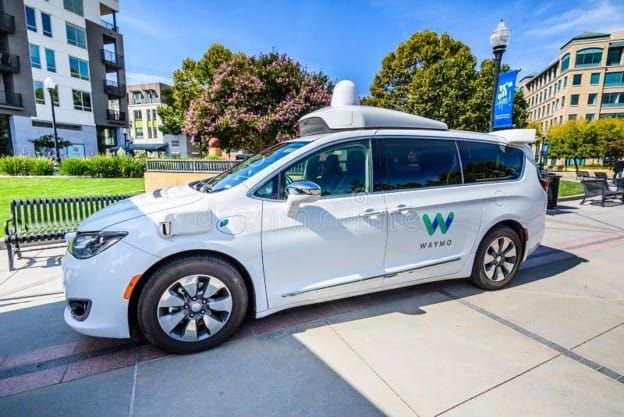
The Waymo debate continues in Minneapolis – the Strib has published four opinion articles in the last 10 days about the topic. Proponents of the autonomous ride-hailing service, as Waymo elegantly calls itself, argue that they are safer (true), cheaper (ha!), and bring other more far-fetched benefits like solving the housing crisis and helping the elderly and disabled (ha!!!!). Detractors, including four Minneapolis City Council members, say it threatens the livelihoods of 9,000 rideshare drivers in the Twin Cities area, a majority of whom are people of color and immigrants. They also cite glitches and safety issues that have occurred with robot taxis in other cities as concerns and argue that big tech companies will put profits ahead of our community needs.
There’s a third group I’ll call the passive supporters, led by our Passive-Voice-in-Chief Jacob Frey, who like to tell us that driverless technology is “clearly coming” as if they have no agency in the matter. “He will continue to have conversations with the Council while looking to the state for regulating the technology and safety of Waymo” said Frey through a spokesperson. Strong mayor indeed. Oh, and a Waymo spokesperson says requiring a driver in a driverless taxi is “a de facto ban” on driverless taxis. No shit. No need for the “de facto” buddy. Your superfluous Latin does nothing for you here in one of the most Lutheran states in the country.
Despite each side framing this as a complicated issue with a lotta ins, a lotta outs, a lotta what-have-yous, this all comes down to a simple question: Do we want to replace human taxi drivers with robots? And why?
The best argument in favor of robot taxis is safety. And yes, they are safer, but only marginally (sorry, there’s some math involved here). According to a study by the National Institutes of Health, in 2023 there were 4.68 police-reported crashes per million miles driven in human-driven vehicles. Let’s say you ride 500 miles per year (roughly 10 miles per week) in traditional rideshare vehicles. Then you can infer from historical data that you have a 0.23% chance of getting in an accident each year. That same NIH study found that robot-driven vehicles are in 55% fewer police-reported crashes. This would infer a 0.11% chance of getting in a crash in a robot-driven vehicle each year. Does decreasing your odds of an accident by about one tenth of one percent change your decision making at all? Is it worth a 30% price increase? Is it worth putting 9,000 jobs at risk in the Twin Cities? The answer to me is obviously not.
This comes down to people not wanting a human in the front seat of their taxi, either because it’s “cool tech” they don’t want to miss out on or because they don’t want to be subjected to the presence of rideshare drivers. They are also willing to pay a premium and put thousands of livelihoods at risk for this pleasure while calling it “inevitable progress” rather than admit they’re actively making a choice. So own it. Frey - own it. Civilian advocates - own it. It’s not inevitable. It’s your choice.